Perfect Ramen Eggs Ajitama- The Ultimate Flavor Bomb
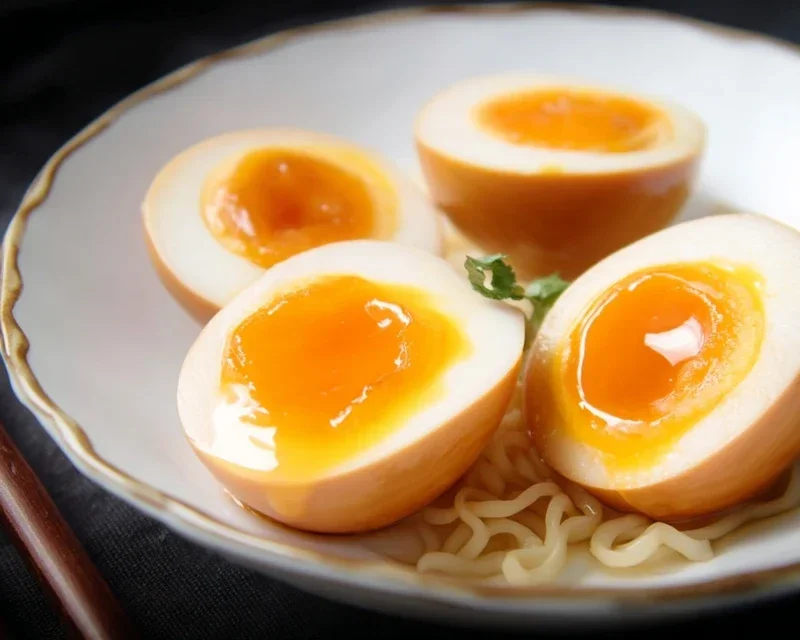
Ramen eggs, or ajitama, are more than just an ingredient; they’re a culinary revelation that can elevate any noodle dish from ordinary to extraordinary. If you’ve ever enjoyed a steaming bowl of ramen, chances are you’ve encountered these perfectly marinated, jammy-yolked delights. But what makes these humble eggs so universally beloved? It’s their exquisite balance of savory, sweet, and umami, achieved through a patient marination process that transforms a simple boiled egg into a flavor bomb. The magic lies in that custardy, melt-in-your-mouth yolk, kissed with the essence of soy sauce, non-alcoholic mirin, and often a hint of non-alcoholic sake or garlic. They’re not just an addition; they are a cornerstone of the ramen experience, offering a satisfying richness and a burst of deliciousness with every bite. Let’s dive into how you can create these incredible ramen eggs at home.

Ramen Eggs (Ajitama)
There’s something undeniably magical about perfectly cooked ramen eggs, also known as ajitama. These soft-boiled eggs, marinated in a savory and slightly sweet soy-based mixture, are an essential component of a truly satisfying bowl of ramen. The custardy yolk, with its rich, umami-packed flavor, is the star of the show. Making them at home might seem a little intimidating, but I promise you, it’s surprisingly straightforward. The reward is a delicious condiment that elevates not just ramen, but also salads, rice bowls, and even just a simple snack. Let’s get started!
Ingredients:
Cooking Instructions
The process of creating perfect ajitama can be broken down into a few key stages: boiling the eggs, preparing the marinade, and the all-important marinating period. Each step plays a crucial role in achieving that signature texture and flavor.
1. Boiling the Eggs to Perfection
This is arguably the most critical step. We’re aiming for a soft-boiled egg with a jammy, molten yolk and a firm but still tender white.
2. Crafting the Marinade
While your eggs are chilling, it’s time to whip up the flavor-packed marinade. This mixture is where the magic really happens.
3. Marinating the Eggs
This is where patience pays off. The longer the eggs marinate, the deeper the flavor will penetrate.
Enjoy your homemade ramen eggs! They are a game-changer for any ramen bowl and a testament to the simple pleasure of perfectly executed ingredients.
Conclusion:
There you have it! Crafting perfect ramen eggs, or ajitama, is surprisingly straightforward and incredibly rewarding. These marinated soft-boiled eggs are an absolute game-changer for any ramen bowl, adding a burst of savory, umami-rich flavor and a beautifully jammy yolk. The simple marinade, often a blend of soy sauce, non-alcoholic mirin, and non-alcoholic sake, transforms a humble egg into something truly special. Beyond ramen, these versatile flavor bombs are fantastic on their own as a snack, in poke bowls, on avocado toast, or even mixed into fried rice.
Don’t be afraid to experiment with the marinade! Some people love adding a pinch of sugar for sweetness, a clove of garlic for extra depth, or even a touch of chili for a spicy kick. The beauty of making your own ramen eggs is the ability to tailor them to your exact preferences. So, gather your ingredients, embrace the process, and get ready to elevate your home cooking. I highly encourage you to give this ramen egg recipe a try – I promise you won’t be disappointed!
Frequently Asked Questions:
How long do ramen eggs last?
Once marinated, ramen eggs can be stored in an airtight container in the refrigerator for up to 4-5 days. The marinade helps preserve them, but it’s always best to enjoy them within this timeframe for optimal flavor and texture.
Can I use a different kind of soy sauce?
Absolutely! While traditional ramen eggs often use Japanese soy sauce (like Kikkoman), you can experiment with other varieties. Low-sodium soy sauce works well, or if you’re feeling adventurous, try a dark soy sauce for a richer color and deeper flavor. Just be mindful that the saltiness might vary, so you may need to adjust other ingredients accordingly.
Ramen Eggs (Ajitama)
Soft-boiled eggs marinated in a savory soy sauce mixture, perfect for topping ramen or enjoying as a snack.
Ingredients
-
6 large eggs
-
½ cup soy sauce (light sodium)
-
¼ cup water
-
¼ cup non-alcoholic mirin
-
2 tablespoons granulated sugar
-
1 tablespoon rice vinegar
Instructions
-
Step 1
Gently place the eggs in a saucepan and cover with cold water by about an inch. Add the rice vinegar to the water if using. -
Step 2
Bring the water to a rolling boil over medium-high heat. Once boiling, immediately reduce heat to a simmer and cook for 6.5 minutes for a jammy yolk. Adjust time for desired doneness (e.g., 6 minutes for runnier, 7 for firmer). -
Step 3
While the eggs are cooking, prepare an ice bath by filling a bowl with ice and cold water. Immediately transfer the cooked eggs to the ice bath using a slotted spoon to stop the cooking process. -
Step 4
In a resealable bag or shallow container, whisk together the soy sauce, water, non-alcoholic mirin, and granulated sugar until the sugar is dissolved. This is your marinade. -
Step 5
Once the eggs are completely cooled (about 10-15 minutes), carefully peel them. Avoid cracking them too much. -
Step 6
Place the peeled eggs into the marinade, ensuring they are fully submerged. Seal the bag or cover the container. -
Step 7
Refrigerate for at least 4 hours, or preferably overnight, turning the eggs occasionally for even marination. The longer they marinate, the deeper the flavor and color will be.
Important Information
Nutrition Facts (Per Serving)
It is important to consider this information as approximate and not to use it as definitive health advice.
Allergy Information
Please check ingredients for potential allergens and consult a health professional if in doubt.