Hearty Beef Pasta in Tomato Sauce – Easy Ragu Recipe
Beef Pasta in Tomato Sauce, often lovingly referred to as Beef Ragu Pasta, is more than just a meal; it’s a comforting embrace, a culinary hug on a plate. There’s a reason why this dish has captured hearts and appetites across generations. It’s the harmonious marriage of tender, slow-cooked beef, rich tomatoes, and fragrant herbs that creates a sauce so deeply flavorful, it practically sings. We adore this Beef Ragu Pasta because it’s incredibly versatile – perfect for a weeknight family dinner yet elegant enough to impress guests. What truly sets our Beef Pasta in Tomato Sauce apart is the depth of flavor we build, layer by delicious layer, promising a truly satisfying experience that will have you coming back for more.
Why You’ll Love This Recipe
A Hearty Classic, Perfected
Get ready to create a masterpiece that will become a staple in your recipe repertoire. This Beef Pasta in Tomato Sauce is designed to be both approachable and incredibly rewarding. We’re talking about a ragu that simmers to perfection, infusing every strand of pasta with its robust goodness. It’s the kind of dish that makes your kitchen smell heavenly and your family gather around the table with eager anticnon-alcoholic ipation. Forget those bland, rushed versions; this is the Beef Ragu Pasta you’ve been dreaming of.
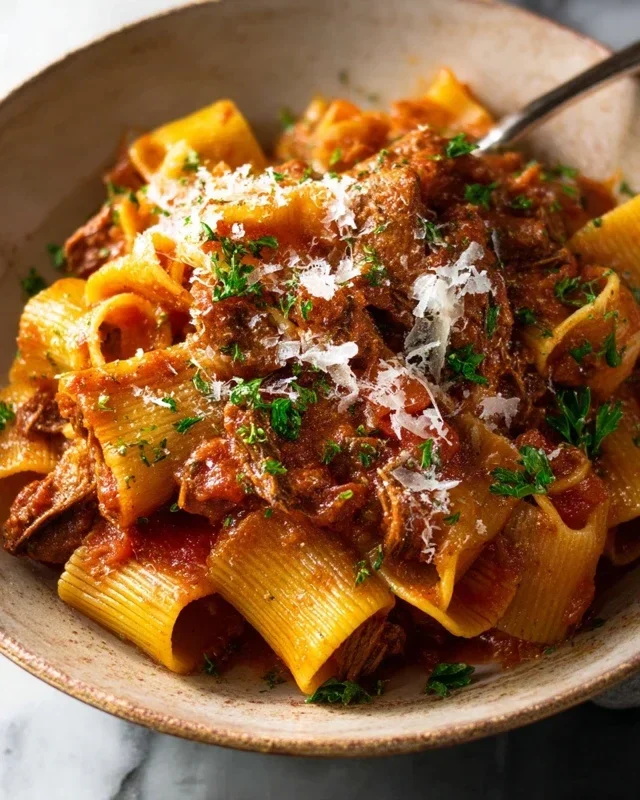
Beef Pasta in Tomato Sauce {Beef Ragu Pasta}
There’s something undeniably comforting about a rich, slow-cooked beef ragu tossed with perfectly cooked pasta. It’s the kind of meal that warms you from the inside out, perfect for a cozy family dinner or impressing friends without spending hours in the kitchen. This Beef Ragu Pasta recipe is my go-to for a reason: it’s packed with deep, savory flavor, incredibly satisfying, and surprisingly straightforward to make. The secret lies in building layers of flavor and allowing the beef to tenderize beautifully in a luscious tomato sauce. Forget those quick, watery sauces; this is the real deal, a classic Italian-inspired dish that’s destined to become a favorite in your recipe rotation.
Ingredients:
Cooking Instructions:
The beauty of a great ragu is in the slow build of flavor, so don’t rush this process. Each step contributes to the final deliciousness.
1.
Sautéing the Aromatics
Begin extract by heating the olive oil in a large, heavy-bottomed pot or Dutch oven over medium heat. Once shimmering, add your finely chopped onion, carrots, and celery. This trio, often called a “soffritto” in Italian cooking, forms the flavorful foundation of our sauce. Cook them gently, stirring occasionally, for about 8-10 minutes, or until they are softened and the onions are translucent. You want them to sweat out their moisture and release their natural sweetness, not brown too quickly. This slow sautéing ensures a sweeter, more integrated flavor in the finished sauce. Once the vegetables are tender, add the minced garlic and cook for another minute until fragrant, being careful not to burn it, as burnt garlic can turn bitter.
2.
Browning the Beef
Now, it’s time for the star of the show: the ground beef. Add the ground beef to the pot with the softened vegetables. Break it up with a spoon and cook, stirring frequently, until it’s nicely browned all over. This step is crucial for developing a rich, meaty flavor. As the beef cooks, drain off any excess grease if you prefer, though some fat is good for flavor and texture. Don’t overcrowd the pan; if your pot isn’t large enough, brown the beef in batches to ensure it gets properly seared rather than steamed. Once browned, you can push the beef to one side of the pot, or if you drained it, add it back in and proceed to the next step.
3.
Deglazing and Simmering the Sauce
Pour in the red grape juice. This is where the magic really begin extracts to happen. Scrape the bottom of the pot with your spoon to loosen any browned bits of beef and vegetables that have stuck to the bottom – these are packed with flavor! Let the grape juice simmer and reduce by about half, which takes about 3-5 minutes. This process concentrates the grape juice’s flavor and cooks off the harsh non-alcoholic alternative, leaving behind a complex, savory depth. Once the grape juice has reduced, stir in the crushed tomatoes, tomato sauce, dried oregano, dried basil, and red pepper flakes (if using). Season generously with salt and freshly ground black pepper. Bring the sauce to a gentle simmer, then reduce the heat to low, cover the pot, and let it cook for at least 1 hour, or even longer if you have the time. The longer it simmers, the more the flavors will meld and the beef will become incredibly tender. Stir occasionally to prevent sticking.
4.
Cooking the Pasta
About 15-20 minutes before you’re ready to serve, bring a large pot of salted water to a rolling boil. Add your pasta and cook according to package directions until al dente – meaning it’s tender but still has a slight bite to it. Overcooked pasta can become mushy and unpleasant, so keep an eye on it. Before draining the pasta, reserve about 1 cup of the starchy pasta water. This magical liquid is a secret weapon for creating a perfectly emulsified sauce that clings beautifully to the pasta.
5.
Combining and Serving
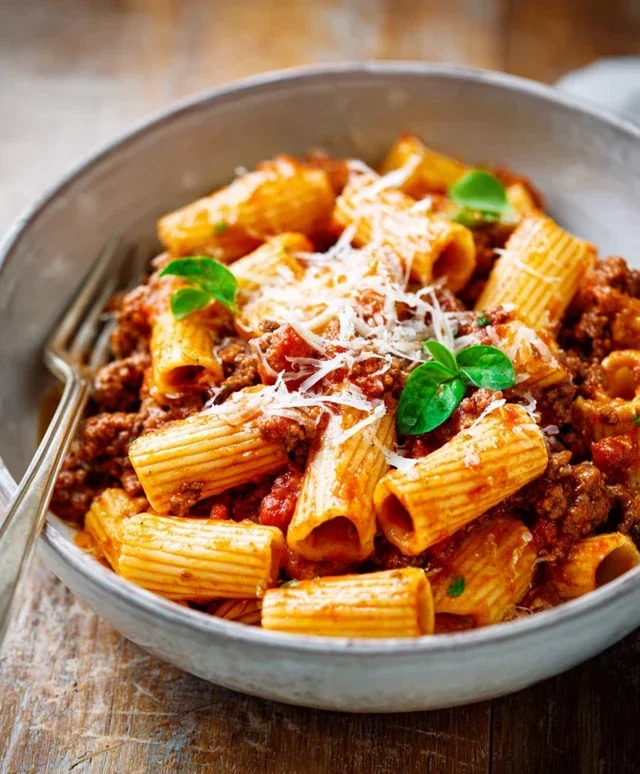
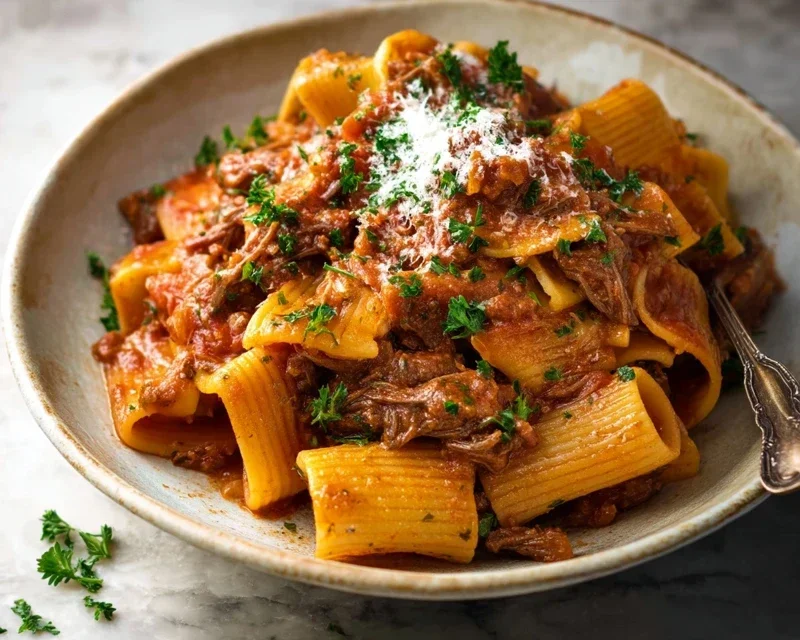
Once the pasta is cooked and drained, add it directly to the pot with the beef ragu. Toss everything together gently to coat the pasta evenly with the rich sauce. If the sauce seems a little too thick, add a splash of the reserved pasta water, a tablespoon at a time, until it reaches your desired consistency. The starch in the water will help the sauce bind to the pasta. Taste and adjust seasoning one last time if needed. Serve immediately in warm bowls, garnished with fresh basil leaves and plenty of grated Parmesan cheese. This Beef Ragu Pasta is a hearty and satisfying meal that’s sure to become a cherished favorite. Enjoy every delicious bite!
Conclusion:
And there you have it – our incredibly satisfying Beef Ragu Pasta! This recipe is a true winner because it’s more than just a meal; it’s a comforting embrace in a bowl. The rich, slow-simmered beef ragu melds beautifully with the tender pasta, creating a depth of flavor that’s hard to beat. It’s perfect for weeknight dinners when you crave something hearty and delicious, or for a special weekend meal to impress loved ones. The aroma alone while it’s cooking will fill your home with warmth!
I love serving this beef pasta with a sprinkle of fresh Parmesan cheese and a side of crusty garlic bread to mop up every last bit of that glorious tomato sauce. A simple green salad with a vinaigrette also cuts through the richness perfectly. Don’t be afraid to experiment with variations! You could add a pinch of red pepper flakes for a little heat, or a splash of red grape juice to the sauce for an extra layer of complexity. Feel free to swap out the beef for ground lamb or even a mix of beef and beef for a different profile.
I truly hope you give this Beef Ragu Pasta recipe a try. It’s a labor of love that rewards you with incredible taste and a truly memorable dining experience. Let me know how it turns out!
Frequently Asked Questions:
Can I make this Beef Ragu Pasta ahead of time?
Absolutely! In fact, the flavors often deepen and improve when made a day in advance. Simply store it in an airtight container in the refrigerator and reheat gently on the stovetop or in the oven. You may need to add a splash of water or broth when reheating to loosen the sauce.
What kind of pasta is best for this ragu?
While I used fettuccine in the recipe, any pasta that can hold onto a hearty sauce will work wonderfully. Think pappardelle, rigatoni, penne, or even macaroni. The key is a pasta with enough surface area to capture that delicious beef ragu!
Beef Pasta in Tomato Sauce (Beef Ragu Pasta)
A hearty and classic beef ragu served over pasta, featuring tender ground beef simmered in a rich tomato sauce.
Ingredients
-
1 pound ground beef
-
1 large onion, chopped
-
2 cloves garlic, minced
-
1 (28 ounce) can crushed tomatoes
-
1/2 cup beef broth
-
1 teaspoon dried oregano
-
1/2 teaspoon salt
-
1/4 teaspoon black pepper
-
1 pound pasta (spaghetti or penne)
Instructions
-
Step 1
In a large skillet, brown the ground beef over medium-high heat. Drain off any excess fat. -
Step 2
Add the chopped onion to the skillet and cook until softened, about 5 minutes. -
Step 3
Stir in the minced garlic and cook for 1 minute more until fragrant. -
Step 4
Pour in the crushed tomatoes and beef broth. Add the dried oregano, salt, and pepper. -
Step 5
Bring the sauce to a simmer, then reduce heat to low, cover, and cook for at least 1 hour, stirring occasionally, allowing flavors to meld. -
Step 6
Meanwhile, cook pasta according to package directions. Drain and set aside. -
Step 7
Serve the beef ragu sauce over the cooked pasta.
Important Information
Nutrition Facts (Per Serving)
It is important to consider this information as approximate and not to use it as definitive health advice.
Allergy Information
Please check ingredients for potential allergens and consult a health professional if in doubt.