Keto Rules & Basics: A Simple Guide for Begin extractners can feel like navigating a new culinary universe, but trust me, it’s an incredibly rewarding journey. Are you tired of feeling sluggish, battling those persistent cravings, or just seeking a way to feel more energized and in control of your well-being? You’re not alone! The ketogenic diet has taken the world by storm for a very good reason: it’s a powerful tool for unlocking incredible health benefits and, dare I say, delicious food. Many people fall in love with the keto lifestyle because it’s not about deprivation; it’s about smart choices and discovering a whole new world of flavorful, satisfying meals. What makes the keto approach truly special is its ability to help your body tap into its own fat stores for fuel, leading to sustained energy and a feeling of fullness that makes sticking to your goals feel surprisingly manageable. This guide is designed to break down Keto Rules & Basics: A Simple Guide for Begin extractners into easy-to-understand steps, setting you up for success from day one.

Keto Rules & Basics: A Simple Guide for Begin extractners
Welcome to the world of ketogenic eating! If you’ve heard about the keto diet and are curious about how it works, or perhaps you’re looking for a fresh start with clear, actionable guidance, you’ve come to the right place. This guide is designed to demystify the keto lifestyle, focusing on the fundamental principles and providing you with some delicious recipes to get you started. Forget complicated jargon and restrictive lists; we’re going to break it down into simple, manageable steps.
The core concept of the ketogenic diet is to shift your body’s primary fuel source from carbohydrates to fat. When you drastically reduce your carb intake and increase your fat consumption, your body enters a metabolic state called ketosis. In ketosis, your liver produces ketones from fat, and these ketones become your body’s main energy source. This can lead to various benefits, including weight loss, improved energy levels, and better blood sugar control for some individuals.
So, what are the “rules” of keto? They’re less about strict prohibitions and more about understanding macronutrient ratios.
The Macronutrient Breakdown: Your Keto Compass
Think of your diet in terms of three key players: carbohydrates, protein, and fat.
Carbohydrates: This is where the significant reduction happens. On a standard ketogenic diet, you’ll aim for around 20-50 grams of net carbohydrates per day. Net carbs are calculated by subtracting fiber from total carbohydrates. This is the most crucial rule to follow for entering and staying in ketosis.
Protein: Protein is essential for muscle maintenance and satiety. You want to eat enough protein to support your body’s needs, but not so much that it gets converted into glucose (a process called gluconeogenesis), which could potentially hinder ketosis. A good starting point is typically 0.8 to 1.2 grams of protein per kilogram of body weight.
Fat: Fat becomes your primary energy source on keto. You’ll be increasing your intake of healthy fats considerably. This will help you feel full and satisfied, and it’s what fuels your body when carbs are low. Focus on monounsaturated and polyunsaturated fats, as well as saturated fats in moderation.
What to Eat (and What to Limit)
Understanding what foods fit into these macronutrient goals is key.
Foods to Embrace:
Healthy fats: Avocado, olive oil, coconut oil, butter, nuts, seeds.
Proteins: Meat, poultry, fish, eggs.
Low-carb vegetables: Leafy greens (spinach, knon-alcoholic ale, lettuce), broccoli, cauliflower, zucchini, bell peppers, asparagus.
Full-fat dairy: Cheese, heavy cream, butter.
Foods to Limit or Avoid:
Sugary foods and drinks: Soda, juice, candy, desserts.
Grains: Bread, pasta, rice, oats (unless they are specifically keto-friendly versions).
Starchy vegetables: Potatoes, corn, peas.
Most fruits: Berries in moderation are usually acceptable.
Processed foods high in carbs.
Getting Started: Simple Keto Recipes
Now that you have a grasp of the basics, let’s get cooking! Here are some fantastic keto-friendly recipes that are perfect for begin extractners, showcasing how delicious and satisfying keto can be.
Ingredients:
Ingredients for Keto Bread
Ingredients for Keto Oatmeal
Ingredients for Keto Pancakes
Ingredients for Keto Pasta
Ingredients for Keto Chocolate Cake
Ingredients for Keto Chocolate Chip Cookies
Ingredients for Keto Crack Chicken
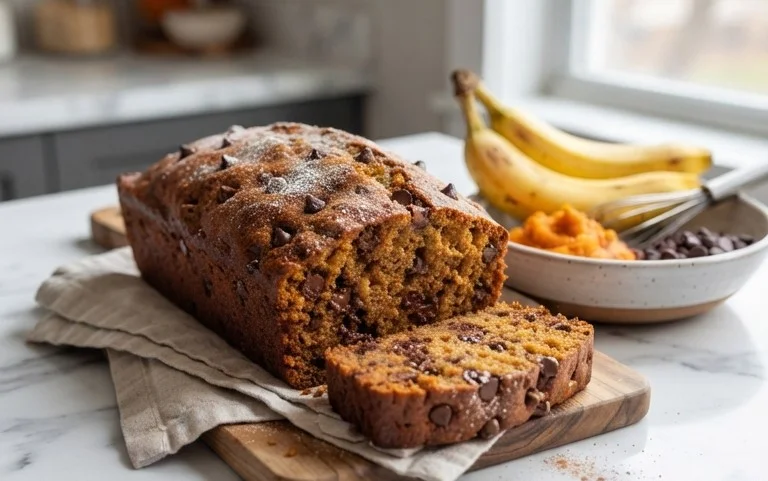
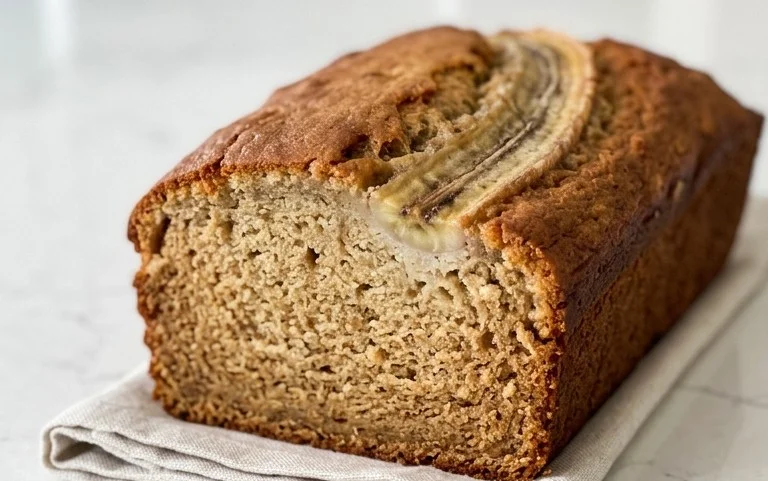
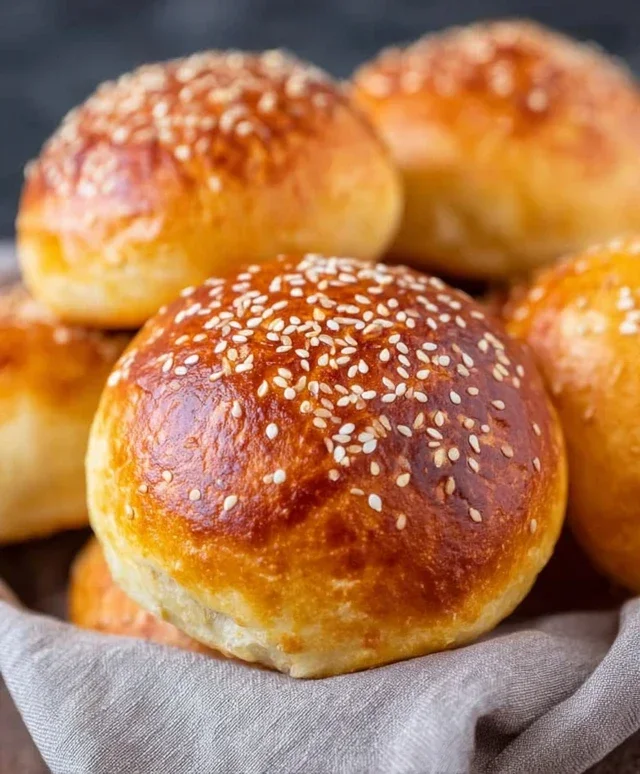
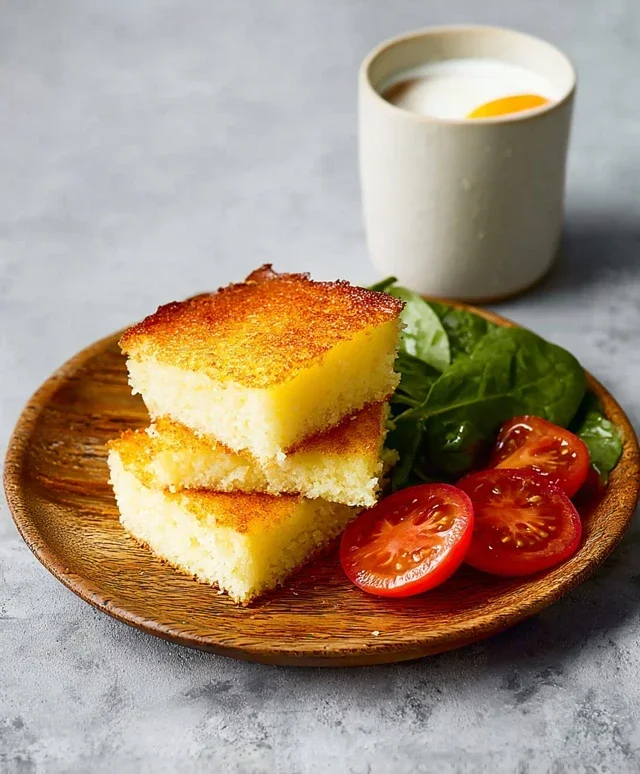
Keto Bread
A cornerstone for many meals, homemade keto bread is surprisingly simple!
Preheat your oven to 350°F (175°C). Grease and line a loaf pan with parchment paper.
In a large bowl, combine your dry keto bread ingredients (typically almond flour, coconut flour, psyllium husk powder, baking powder, and salt). Whisk them together thoroughly to ensure even distribution. This prevents dense pockets in your bread.
In a separate bowl, whisk together your wet ingredients, which usually include eggs, melted butter or oil, and apple cider vinegar. The vinegar helps to activate the baking powder and gives the bread a better texture.
Pour the wet ingredients into the dry ingredients and mix until just combined. Be careful not to overmix, as this can make the bread tough. The dough will be quite thick and sticky.
Transfer the dough to your prepared loaf pan, smoothing the top with a spatula.
Bake for 40-50 minutes, or until a toothpick inserted into the center comes out clean and the top is golden brown. Let it cool completely before slicing. This is crucial for the texture to set properly.
Keto Oatmeal
A warm and comforting breakfast that satisfies the oatmeal craving without the carbs.
In a small saucepan, combine your keto oatmeal base (often made with ingredients like hemp hearts, chia seeds, flaxseed meal, and a touch of almond flour) with your liquid of choice (unsweetened almond milk, coconut milk, or water).
Bring the mixture to a gentle simmer over medium heat, stirring frequently. This prevents sticking and clumping.
Reduce the heat to low and continue to cook for about 5-7 minutes, or until the mixture has thickened to your desired oatmeal consistency. You might need to add a splash more liquid if it gets too thick.
Stir in your preferred sweetener (erythritol, stevia, or monk fruit) and any flavorings like cinnamon or vanilla extract.
Pour into a bowl and top with keto-friendly toppings like berries, nuts, seeds, or a dollop of heavy cream. Enjoy immediately!
Keto Pancakes
Fluffy, delicious pancakes are achievable on keto!
In a medium bowl, whisk together your dry pancake ingredients (common items include almond flour, coconut flour, baking powder, and a pinch of salt). Ensure everything is well combined before adding wet ingredients.
In a separate bowl, whisk together your wet ingredients: eggs, melted butter or coconut oil, a splash of unsweetened almond milk or cream, and your keto sweetener. Whisk until smooth and slightly frothy.
Pour the wet ingredients into the dry ingredients and gently stir until just combined. A few small lumps are perfectly fine; overmixing will result in tough pancakes. The batter should be thick but pourable.
Heat a lightly greased non-stick skillet or griddle over medium-low heat. For best results, ensure your pan is not too hot, or the pancakes will burn before cooking through.
Pour about 1/4 cup of batter for each pancake onto the hot skillet. Cook for 2-3 minutes per side, or until golden brown and cooked through. You’ll see bubbles forming on the surface when it’s time to flip.
Serve immediately with your favorite keto toppings like sugar-free syrup, butter, or fresh berries.
Keto Pasta
Satisfy pasta cravings with this low-carb alternative.
Prepare your keto pasta according to package directions or your chosen recipe. Many keto pastas are made from ingredients like shirataki noodles, zucchini noodles (zoodles), or a combination of almond flour and eggs. If using shirataki, it’s essential to rinse and drain them thoroughly, and then pan-fry them to remove excess moisture and improve texture. If making from scratch, follow the specific recipe’s steps carefully.
While your pasta is cooking or being prepared, heat your favorite keto-friendly sauce in a separate pan. This could be a creamy alfredo, a rich marinara made with low-sugar tomatoes, or a pesto sauce.
Once your keto pasta is ready, drain it well if necessary and add it directly to the pan with your heated sauce.
Gently toss the pasta with the sauce to ensure it’s evenly coated. Allow it to simmer for a minute or two so the flavors meld together beautifully.
Serve your keto pasta hot, perhaps garnished with grated Parmesan cheese or fresh herbs.
Keto Chocolate Cake
Indulge your sweet tooth the keto way!
Preheat your oven to 350°F (175°C). Grease and line a cake pan with parchment paper.
In a large bowl, whisk together your dry ingredients: almond flour, cocoa powder, keto sweetener, baking soda, and a pinch of salt. Ensure there are no lumps, especially in the cocoa powder.
In a separate bowl, whisk together your wet ingredients: eggs, melted butter or coconut oil, unsweetened almond milk, vanilla extract, and a touch of apple cider vinegar (this helps the baking soda react for a lighter cake).
Pour the wet ingredients into the dry ingredients and mix until just combined. The batter will be thick. For an extra rich chocolate flavor, you can stir in a few sugar-free chocolate chips.
Pour the batter into your prepared cake pan and spread evenly.
Bake for 25-35 minutes, or until a toothpick inserted into the center comes out clean. Cool in the pan for 10-15 minutes before inverting onto a wire rack to cool completely. Frost with your favorite keto frosting once cooled.
Keto Chocolate Chip Cookies
Crispy, chewy, and absolutely delightful!
Preheat your oven to 350°F (175°C). Line a baking sheet with parchment paper.
In a large bowl, cream together softened butter and your keto sweetener until light and fluffy. This is where the sugar-free crystals break down and incorporate well.
Beat in the eggs one at a time, followed by the vanilla extract.
In a separate bowl, whisk together your dry ingredients: almond flour, a small amount of coconut flour (optional, for texture), baking soda, and salt.
Gradually add the dry ingredients to the wet ingredients, mixing until just combined. Stir in sugar-free chocolate chips. The dough will be slightly soft.
Drop rounded tablespoons of dough onto the prepared baking sheet, leaving about 2 inches between cookies. You can gently flatten them slightly with your hand or the back of a spoon if you prefer flatter cookies.
Bake for 10-12 minutes, or until the edges are golden brown and the centers are set. Let them cool on the baking sheet for a few minutes before transferring to a wire rack to cool completely.
Keto Crack Chicken
A flavorful and versatile dish perfect for meals or snacks.
Preheat your oven to 400°F (200°C). If you’re using boneless, skinless chicken breasts or thighs, pat them dry thoroughly with paper towels. This is an important step for achieving a nice sear.
In a small bowl, mix together cream cheese (softened), shredded cheddar cheese, crum extractbled cooked beef bacon, garlic powder, onion powder, salt, and pepper. This is your “crack” mixture – the flavor explosion!
Place the chicken pieces in a baking dish. If you’re using breasts, you might want to pound them to an even thickness for more consistent cooking.
Generously spread the cream cheese mixture over the top of each chicken piece, ensuring it’s well covered. This creamy, cheesy topping will create a delicious crust as it bakes.
Bake for 20-25 minutes, or until the chicken is cooked through and the topping is bubbly and lightly golden brown. The internal temperature of the chicken should reach 165°F (74°C).
Let the chicken rest for a few minutes before serving. This allows the juices to redistribute, making the chicken more tender and moist. It’s delicious served on its own, with a side of keto vegetables, or even shredded into a salad.
Embracing the keto lifestyle is a journey. Don’t be afraid to experiment with these recipes and find what works best for you. Remember to stay hydrated, listen to your body, and celebrate your successes along the way. Welcome to a healthier, more energized you!
Conclusion:
Embarking on your ketogenic journey doesn’t have to be complicated, and this simple guide to Keto Rules & Basics proves just that! We’ve demystified the core principles, showing you that sticking to keto can be both manageable and delicious. The beauty of this approach lies in its focus on whole, nutrient-dense foods, empowering you to fuel your body effectively while enjoying satisfying meals. We hope this guide inspires you to confidently embrace the keto lifestyle and discover the positive changes it can bring.
This recipe framework is incredibly versatile, allowing for endless culinary creativity. Experiment with different cuts of meat, a variety of non-starchy vegetables, and an array of healthy fats to keep your meals exciting. For serving suggestions, consider pairing your keto creations with a fresh, leafy green salad drizzled with an olive oil and lemon dressing, or a side of creamy avocado. Don’t be afraid to explore variations; swap out proteins, add different herbs and spices, or incorporate flavorful keto-friendly sauces to personalize your experience. The most important step is to just start! Give these principles a try, and you might be surprised at how easily they fit into your routine.
Frequently Asked Questions:
Is it hard to stick to keto long-term?
While there’s an initial adjustment period, many find that once they understand the Keto Rules & Basics and discover their favorite keto-friendly meals, it becomes a sustainable way of eating. Focus on whole foods and enjoyable recipes to make it a lifestyle, not a diet.
What are some common mistakes begin extractners make?
A frequent pitfall is not tracking macronutrients accurately, leading to unintentional carb intake. Another is not consuming enough healthy fats, which can leave you feeling unsatisfied. Educating yourself on hidden carbs in processed foods is also crucial.
Ingredients
-
Ingredients for Keto Bread
-
Ingredients for Keto Oatmeal
-
Ingredients for Keto Pancakes
-
Ingredients for Keto Pasta
-
Ingredients for Keto Chocolate Cake
-
Ingredients for Keto Chocolate Chip Cookies
-
Ingredients for Keto Crack Chicken
Instructions
-
Step 1
Understand the macronutrient ratios: Aim for approximately 70-80% fat, 20-25% protein, and 5-10% carbohydrates.
-
Step 2
Identify keto-friendly foods: Focus on healthy fats (avocado, olive oil, butter, nuts, seeds), moderate protein (meat, fish, eggs, cheese), and low-carb vegetables (leafy greens, broccoli, cauliflower).
-
Step 3
Avoid high-carb foods: Eliminate sugar, grains, fruits (except small amounts of berries), starchy vegetables, and processed foods.
-
Step 4
Hydrate well and consider electrolytes: Drink plenty of water and ensure adequate intake of sodium, potassium, and magnesium to combat potential ‘keto flu’.
-
Step 5
Incorporate keto recipes: Utilize recipes for Keto Bread, Keto Oatmeal, Keto Pancakes, Keto Pasta, Keto Chocolate Cake, Keto Chocolate Chip Cookies, and Keto Crack Chicken to enjoy delicious meals while staying in ketosis.
-
Step 6
Monitor your progress: Track your ketone levels (urine strips, breathalyzer, or blood meter) and how you feel to ensure you are effectively in ketosis.
Important Information
Nutrition Facts (Per Serving)
It is important to consider this information as approximate and not to use it as definitive health advice.
Allergy Information
Please check ingredients for potential allergens and consult a health professional if in doubt.